



World Cup 2026 Key Takeaways
The expanded 48-team World Cup 2026 is shaping up to be the most unpredictable tournament in history.
- World Cup 2026 dark horses like Morocco and Canada combine organized defenses with explosive counter-attacks that trouble any favorite.
- Resurgent European giants such as England and Portugal have depth and tactical flexibility that make them feared across every match-up.
- The most dangerous football teams 2026 share one trait: they no longer fear the big names and have the results to prove it.
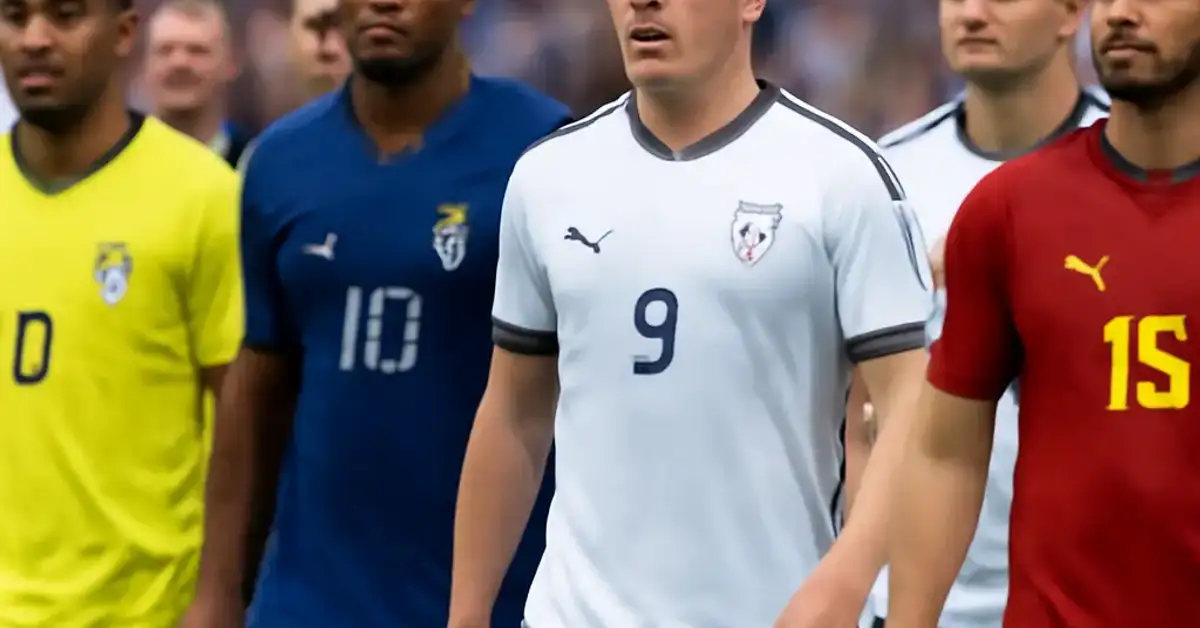
Why Some World Cup 2026 Teams Strike Fear Into Opponents
The World Cup 2026 brings a new dynamic: for the first time, 48 nations will battle across three host countries — the USA, Canada, and Mexico. That means more matches, more travel, and more chances for an upset. But beyond the format change, the balance of power has shifted. Teams that once scraped through qualification now arrive with Premier League stars, Champions League winners, and tactical systems that rival the best clubs. Opponents don’t just respect them; they actively avoid them in the draw.
What Makes a Team Truly Feared in 2026?
It’s not just ranking points. A feared squad in World Cup 2026 has at least two of these three traits: a world-class spine (keeper, center-back, midfielder, striker), a proven tournament run in the last four years, and a manager who adapts tactics mid-game. When a team checks all three boxes, even Brazil and France take notice. For a related guide, see Ultimate Guide to World Cup 2026 Betting: Singapore’s Complete Overview.
The 5 Most Feared Teams in World Cup 2026
We looked at recent form, head-to-head records against top-10 nations, squad depth, and tactical identity to pick the five sides that send a chill through the opposition. These are the World Cup 2026 dark horses that could spoil the party for traditional powerhouses.
| Team | Why They’re Feared | Key Strength |
|---|---|---|
| Morocco | Semi-final run in 2022, now deeper squad | Defensive organization + counter-attack speed |
| England | Consistent semi-finals, golden generation at its peak | Attacking depth and set-piece mastery |
| Portugal | Euro 2024 triumph, young stars emerging | Technical midfield + multiple tactical systems |
| Canada | Alphonso Davies and Jonathan David led raw power | Transition speed and physicality |
| Argentina | Defending champions, Messi’s farewell tour | Tournament experience + psychological edge |
1. Morocco: The Stubborn Wall That’s Learned to Attack
Morocco’s 2022 semi-final run was no fluke. They conceded only one goal in open play during the entire tournament. Since then, coach Walid Regragui has added more firepower. Players like Achraf Hakimi (Paris Saint-Germain), Nayef Aguerd (West Ham), and emerging star Bilal El Khannouss give them a blend of steel and creativity. Opponents know that breaking them down requires 90 minutes of patience — and one mistake can end your tournament.
2. England: The Weight of Expectation Turned Into Pure Threat
England have reached the semi-finals or better in three of the last four major tournaments. The World Cup 2026 squad could feature Jude Bellingham, Phil Foden, Bukayo Saka, and a fully fit Harry Kane. Manager Gareth Southgate has built a system that controls games without the ball. No team wants to face that blend of defensive discipline and match-winning individual talent in a knockout game. For a related guide, see World Cup 2026: 5 Scary Teams Nobody Wants to Face Anymore.
3. Portugal: The Euro 2024 Champions With Even More Firepower
Portugal’s Euro 2024 victory signaled a generational shift. Cristiano Ronaldo remains a presence, but the engine now runs through Bruno Fernandes, Bernardo Silva, and new generation stars like João Neves and Gonçalo Inácio. Their ability to switch between possession-heavy control and direct counter-attacks makes them one of the most dangerous football teams 2026 will see.
4. Canada: The North American Juggernaut That’s No Longer a Surprise
Canada qualified for their first World Cup in 36 years in 2022 and held Belgium to a narrow 1-0 defeat. By 2026, Alphonso Davies (Bayern Munich) and Jonathan David (Lille) will be in their prime, and home crowds across Canada will turn every group match into a fortress. Their sheer athleticism and direct running terrifies European defenses accustomed to slower build-up play. For a related guide, see Golden Boot 2024: Best Contenders to Win Right Now.
5. Argentina: The Champions Who Understood the Assignment
Argentina remains the team with the strongest psychological weapon: they know how to win. Lionel Messi’s presence alone forces opponents to change their defensive shape. Surrounding him are Lautaro Martínez, Julián Álvarez, and a midfield that presses relentlessly under Lionel Scaloni. They are the ultimate World Cup 2026 dark horse in disguise — everyone talks about France and Brazil, but Argentina has the trophy.
What the World Cup 2026 Groups Might Look Like
The expanded 48-team tournament means 16 groups of three teams each. The top two from each group advance to a 32-team knockout stage. With three hosts seeded, there’s a real chance that one of these feared teams lands in a “group of death” scenario. Teams like Morocco and Canada could be the unseeded threats that make life miserable for a traditional giant.
How the Format Favors the Feared Dark Horses
In a three-team group, every match is high-stakes. There’s no room for a slow start. A team like Canada — quick, direct, and aggressive — can steal second place by winning one match and drawing another. That unpredictability is exactly why seasoned coaches dread facing them. The World Cup 2026 format rewards teams that can win one-off battles, not just those with the best squad on paper.
Useful Resources
Learn more about the tournament structure and team analyses from these reliable sources:
- FIFA World Cup 2026 Official Hub — Schedule, host cities, and qualification updates direct from the governing body.
- The Athletic Football Coverage — In-depth tactical breakdowns and team form analysis by experienced football journalists.
Frequently Asked Questions About World Cup 2026
Which team is the biggest dark horse for World Cup 2026?
Morocco is widely considered the most dangerous dark horse after their 2022 semi-final run and a deeper squad in 2026.
Why is Canada considered a feared team in 2026?
Canada combines elite speed from Alphonso Davies and Jonathan David with home-field advantage across multiple host cities in the group stage.
Will Lionel Messi play in World Cup 2026?
Messi has not confirmed his participation, but he has hinted that 2026 could be his final tournament if Argentina qualify and he remains fit.
How many teams will compete in World Cup 2026?
The tournament will feature 48 teams for the first time, up from 32 in 2022.
What is the format for World Cup 2026?
There will be 16 groups of three teams each. The top two from each group advance to a 32-team knockout stage.
Which country is hosting the 2026 World Cup?
The USA, Canada, and Mexico are co-hosting the tournament across 16 cities.
Is Portugal a serious contender for 2026?
Yes. After winning Euro 2024 and with a young core emerging, Portugal is one of the most feared teams in the draw.
What makes England a feared opponent in 2026?
England’s attacking depth with Bellingham, Kane, Saka, and Foden combined with a proven knockout-stage mentality makes them a nightmare draw.
Why aren’t France or Brazil on this list?
France and Brazil are always favorites, but this list focuses on teams that opponents “dread” — sides that have risen suddenly or possess specific matchup nightmares.
Can Morocco replicate their 2022 run in 2026?
Absolutely. Their defensive system is intact and they now have more attacking weapons, making them even more dangerous in a knockout setting.
Which team has the best chance to upset Brazil in 2026?
Morocco or Canada would both pose matchup problems — Morocco with defensive discipline and Canada with pure speed on the transition.
How has the expanded format changed World Cup 2026?
More teams mean more “group of death” scenarios, and teams like Canada could slip through as unseeded threats that upset traditional powers.
Who is the best young player likely to star in 2026?
Jude Bellingham (England) and João Neves (Portugal) are two rising stars already playing at world-class level.
Will Cristiano Ronaldo play in the 2026 World Cup?
Ronaldo has said he wants to play in 2026, but his role in Portugal’s starting lineup may be reduced as younger stars emerge.
What is the biggest tactical trend in World Cup 2026?
High pressing and quick transitions are dominating, which favors athletic teams like Canada and organized units like Morocco.
Why do opponents fear Argentina despite an aging squad?
Argentina’s tournament pedigree, Messi’s match-winning ability, and a team that knows how to close out tight games make them dangerous regardless of age.
How many times has Canada qualified for the World Cup?
Canada has qualified for the World Cup only twice: in 1986 and 2022. 2026 will be their first as a host nation.
Which host city will have the most intense atmosphere?
Mexico City’s Azteca Stadium and Toronto’s BMO Field are expected to generate the loudest crowds, especially for home matches.
Is the World Cup 2026 draw completed?
No. The official draw will take place in late 2025 after all qualifying tournaments are finished.
What does “dark horse” mean in World Cup context?
A dark horse is a team not among the top favorites but capable of making a deep run — often due to tactical innovation or a strong recent performance that’s overlooked by casual fans.