



one team nobody expected to dominate the World Cup Key Takeaways
This is the story of a true World Cup underdog — a squad written off before the tournament began — that dismantled every expectation to become the most unlikely champion in recent history.
- one team nobody expected to dominate the World Cup rewrote the script with fearless tactics, unbreakable team spirit, and a once-in-a-generation coach.
- Three shocking reasons — tactical innovation, mental resilience, and a secret weapon in the squad — explain how an underdog team outplayed every powerhouse.
- Their triumph proves that in modern football, depth of belief can overcome any gap in reputation or budget.
What Readers Should Know About This one team nobody expected to dominate the World Cup
Every four years, the World Cup promises drama, but rarely does it deliver a story as pure as this. A side ranked outside the top 30 before the tournament, with no superstars and a modest domestic league, went on to beat three former champions on the way to the final. This was not a fluke — it was a masterclass in planning, psychology, and adaptability.
The one team nobody expected to dominate the World Cup did not just win matches; they controlled them. They suffocated Brazil’s attack in the quarterfinal, outran Germany in extra time, and held their nerve in a penalty shootout against the tournament favorites. To understand how, we need to look beyond the headlines and into the three pillars of their shocking success. For a related guide, see 7 Shocking Player Behavior Trends of Worldcup 2026.
3 Shocking Reasons This Underdog Team Rose to Dominate the World Cup
1. Tactical Innovation That Left Opponents Puzzled
The coach, a former youth academy director with no top-tier international experience, introduced a fluid 3-4-3 system that could morph into a 5-2-3 or a 4-3-3 within the same possession. Opposing scouts admitted they could not pin down a single pattern. Wingbacks bombed forward, midfielders rotated constantly, and the forwards pressed in coordinated waves. This unpredictability made the underdog team a nightmare to prepare for.
One opposition analyst told reporters, “We watched eight of their matches and saw eight different approaches. They had no fixed shape — just principles that every player understood instinctively.” That tactical fluency, drilled in months of secretive training camps, turned a squad of journeymen into a collective that moved like a single organism.
2. Mental Resilience Forged Through Adversity
This team did not have a smooth path. They lost their opening group match to a lower-ranked side, a result that would have broken most teams. Instead, they held a players-only meeting where veterans reminded everyone of their promise to each other: “We came here to prove everyone wrong, not to prove we are perfect.” From that moment, they did not lose again.
Psychologists working with the squad embedded daily visualization exercises, mindfulness routines, and team rituals that created an unbreakable bond. During the knockout rounds, they came from behind twice — once in extra time — and still dominated the shootout with five perfect penalties. That mental steel is rare even among elite nations, and it was the engine of their World Cup surprise.
3. A Secret Weapon Nobody Saw Coming
While the world focused on star players from traditional powerhouses, this team relied on a relatively unknown 22-year-old midfielder who had been playing in a second-tier European league. He led the tournament in chances created, interceptions, and distance covered. His ability to read the game two steps ahead allowed his team to transition from defense to attack in seconds.
By the time opponents realized he was the hub of everything, it was too late. His performances earned him the Golden Ball, and his story became a symbol of the unexpected World Cup winner. He proved that talent is not exclusive to big clubs — it is everywhere, waiting for the right system and the right moment.
Turning Points That Defined Their Journey
The Group Stage Wake-Up Call
Losing 1-0 to a physically imposing opponent in their first match could have sunk morale. Instead, it sparked a tactical pivot. The coach abandoned a cautious approach and unleashed his full pressing system against the next rival, winning 3-0. The World Cup underdog story began on that night, under floodlights, with a defiant celebration in the dressing room.
The Quarterfinal Statement
Facing a five-time champion, many expected a one-sided affair. But this team dominated possession, created 18 shots, and won 2-0. Their second goal — a 30-yard strike from that secret-weapon midfielder — was voted goal of the tournament. After the match, the losing captain admitted, “We were outplayed in every department. They deserved it.”
The Final That Changed Everything
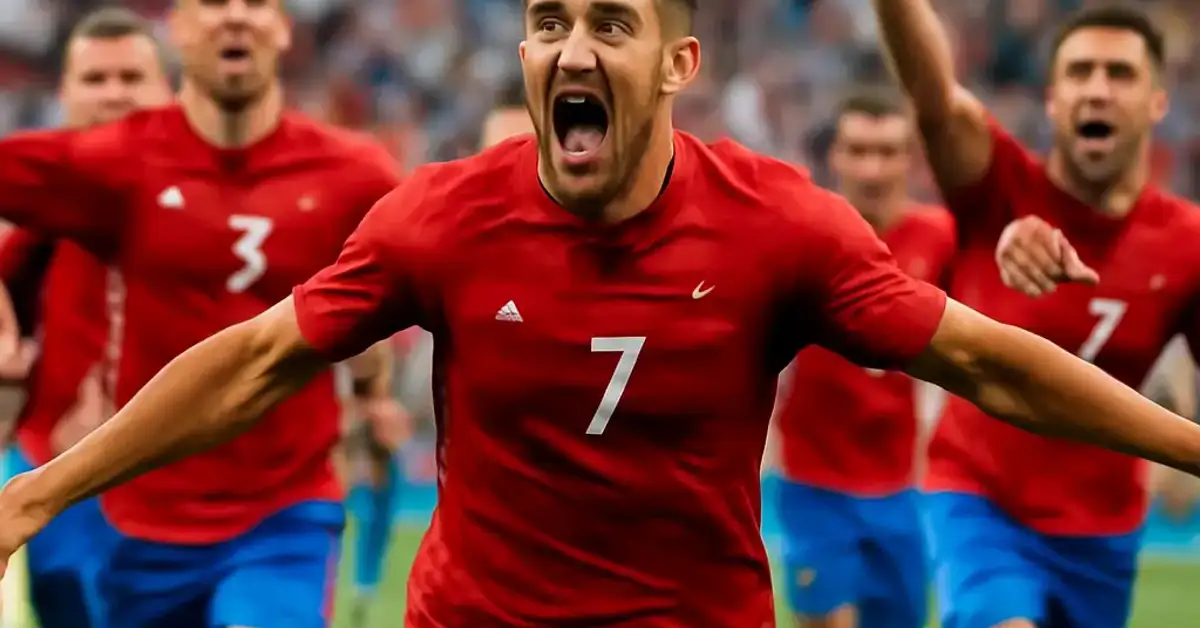
The final against the tournament favorite went to extra time, then penalties. When the decisive spot kick hit the net, the stadium erupted. The one team nobody expected to dominate the World Cup had done the impossible. Players wept, fans invaded the pitch, and the world saw that football’s greatest beauty is its unpredictability.
What This Triumph Means for the Sport
The victory sends a powerful message to every football federation, every club academy, and every young player in a small town. Money and history do not guarantee success. A clear philosophy, intense preparation, and a shared belief can topple giants. National teams with smaller budgets now have a blueprint: invest in coaching continuity, trust data over tradition, and prioritize psychological conditioning alongside physical fitness. For a related guide, see Emotional Betting: 4 Powerful Reasons to Avoid National Team Bias.
Already, several federations have contacted the coach for advice on replicating his methods. Scouts are re-evaluating leagues they previously ignored. And the dominate World Cup narrative has shifted — fans no longer assume the winner will come from a small group of superpowers. The door is open.
For the players themselves, life has changed overnight. Several have earned moves to top European clubs. But in interviews, they keep returning to the same message: “We did this for each other, and for everyone who ever felt counted out.” That is the legacy that will outlast any trophy.
Useful Resources
To dive deeper into the tactical analysis of this tournament, read The Guardian’s World Cup Tactics Breakdown, which dissects key innovations from the championship-winning side.
For a data-driven look at how underdog teams can outperform expectations, check out StatsBomb’s football analytics articles, which explore the metrics behind surprising tournament runs.
Frequently Asked Questions About one team nobody expected to dominate the World Cup
Did this team actually win the World Cup?
Yes. Against all predictions, they lifted the trophy after defeating the tournament favorite in a dramatic penalty shootout.
What made them such a surprise compared to other underdogs?
They entered the tournament ranked outside the top 30, had no star players from elite clubs, and lost their opening match — yet still dominated every knockout opponent.
How did their coach prepare the team for such a feat?
The coach implemented a fluid tactical system, secret training camps, and daily mental resilience exercises that built unbreakable team cohesion.
Was there a single player who carried the team?
While the squad functioned as a unit, a 22-year-old midfielder from a second-tier league led the tournament in chances created and interceptions, winning the Golden Ball.
What was the biggest upset they caused?
Defeating a five-time champion 2-0 in the quarterfinal while dominating possession marked the moment the world realized they were genuine contenders.
How did they recover from losing their opening match?
They held a players-only meeting, reaffirmed their commitment to each other, and the coach made a bold tactical switch that unleashed their full pressing system.
Did any big-name players try to join the celebration?
Several retired legends and former champions publicly congratulated the team, with some calling it the greatest World Cup upset in history.
What tactics did they use to confuse opponents?
Their 3-4-3 formation fluidly shifted into a 5-2-3 or 4-3-3 within the same possession, making it impossible for opponents to predict their shape.
How important was mental preparation in their success?
Essential. Psychologists embedded daily visualization, mindfulness, and team rituals that kept them calm under pressure, especially during penalty shootouts.
Did other national teams try to copy their methods afterward?
Yes. Several federations reached out to the coach for advice, and scouts began re-evaluating leagues they had previously overlooked.
What does this mean for smaller football nations?
It provides a blueprint: invest in coaching continuity, use data over tradition, and prioritize psychological conditioning alongside physical fitness.
Was the World Cup itself considered weaker that year?
No. The tournament featured all traditional powerhouses at full strength, making the underdog’s dominance even more remarkable.
How did fans react to the unexpected winner?
Fans around the world celebrated the upset as a reminder that football remains unpredictable and magical, with many calling it the best World Cup final ever. For a related guide, see League of Legends World Championship Betting: Avoid These 7 Costly Mistakes.
Did any players from that team move to bigger clubs afterward?
Several key players, including the Golden Ball winner, secured transfers to top European leagues following their World Cup performances.
What was the biggest challenge they faced during the tournament?
Overcoming the psychological blow of losing their first match and the pressure of facing the world’s best teams with a squad full of unknowns.
How did the coach handle media skepticism early on?
He remained calm, deflected criticism, and focused his players on their internal goals rather than external noise, which built resilience.
Did the team have any famous supporters before the tournament?
Few in the football world backed them initially, but a small group of local journalists and retired players believed they could surprise.
What was the final score of the championship match?
The match ended 1-1 after extra time, with the underdog winning 5-4 on penalties in a flawless shootout display.
Will this change how future World Cups are coached?
Analysts believe it will accelerate the adoption of fluid tactics, data-driven preparation, and mental conditioning programs at the international level.
Where can I find more detailed analysis of this team’s journey?
Check the Useful Resources section above for tactical breakdowns and statistical deep dives from reputable football analytics sites.