



World Cup 2026 rule changes Key Takeaways
The 2026 FIFA World Cup introduces the most significant tournament format overhaul in decades, expanding from 32 to 48 teams and reshaping the group stage.
- The 48-team format with 12 groups of 4 means 104 matches instead of 64, with a new round-of-32 knockout stage.
- Permanent concussion substitutes are now official, allowing an extra sub per team per match for head injuries.
- Group standings will be decided by a strict head-to-head tiebreaker system before goal difference is considered.
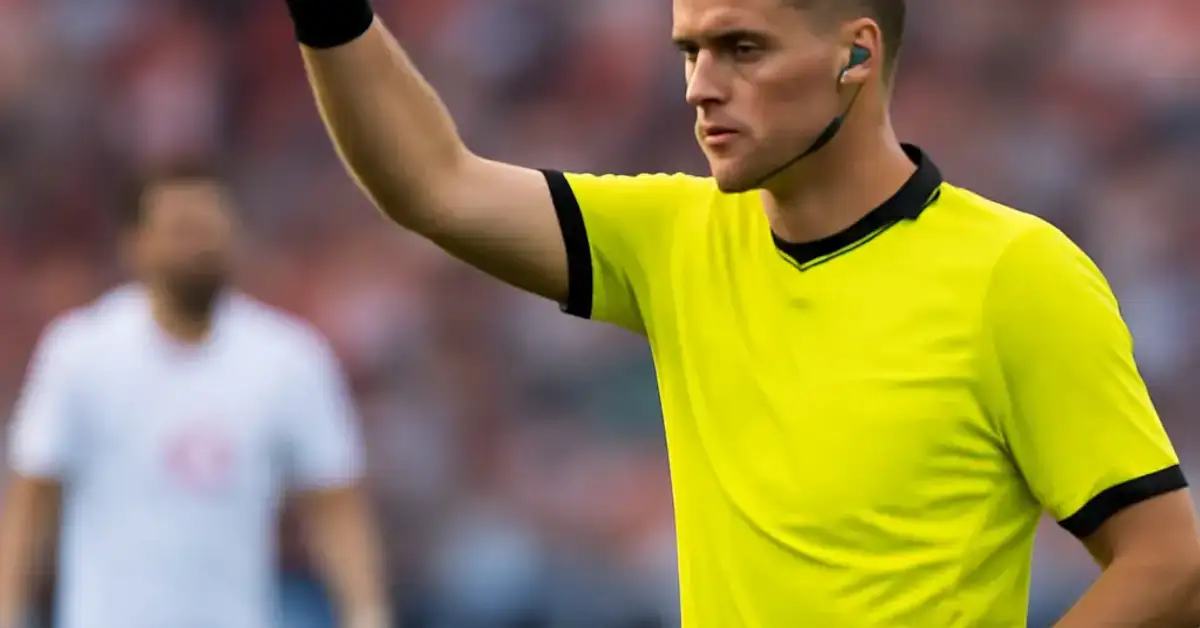
Why the World Cup 2026 rule changes Matter for Players and Fans
The most consequential World Cup 2026 rule changes stem from FIFA’s decision to expand the tournament to 48 nations. This is not just a numbers game—it reshapes the competitive arc. More teams mean more matches spread across three host nations (USA, Canada, Mexico), which creates unique travel and recovery demands. For fans, the extended schedule (June 8 to July 19) offers more football but also introduces a new round-of-32 knockout phase that changes how group-stage results are valued. Understanding these updates helps you anticipate which strategies might succeed and how the tournament’s rhythm will differ from previous editions. For a related guide, see World Cup 2026 Odds Explained for New Bettors: A Simple Guide for Singapore Readers.
Key Format Overhaul: 48 Teams and 12 Groups
The centerpiece of the World Cup 2026 rule changes is the move from a 32-team tournament to a 48-team competition. Instead of 8 groups of 4, the 2026 edition will feature 12 groups of 4. The top two from each group advance, along with the 8 best third-placed teams, creating a 32-team knockout bracket.
This expansion means 104 matches total, up from 64 in 2022. The group stage alone will see 72 matches. For players, that translates to more fixture congestion, especially for teams that go deep. Coaches will need to rotate squads more aggressively, and the new substitution rules (detailed below) become even more critical.
The New Round of 32 and Knockout Flow
Under the previous format, group winners and runners-up entered a round of 16. In 2026, the round of 32 is an entirely new knockout stage. This changes the incentive structure: finishing first in your group can earn you a theoretically easier path to the quarterfinals, while finishing third and surviving still requires winning an extra match. Expect more cautious group-stage tactics from top seeds who want to avoid extra fatigue.
Permanent Concussion Substitutes: A Medical Milestone
One of the most important World Cup 2026 rule changes is the permanent adoption of concussion substitutes. After successful trials in other FIFA competitions, each team will now be allowed one additional substitution per match specifically for a suspected concussion, regardless of how many regular subs have already been used. The opposing team also gains an extra substitute in that scenario to maintain competitive balance.
This rule applies only when the referee stops play for a head injury assessment. The substitute is permanent—the concussed player cannot return to the match. For managers, this adds a layer of tactical planning: a concussion sub can disrupt a game plan mid-match, and teams should have a designated “concussion replacement” trained for multiple positions.
Updated Tiebreaker Procedures for Group Stages
FIFA has clarified the tiebreaker hierarchy for the expanded group stage, and it differs slightly from recent tournaments. The order is:
| Rank | Tiebreaker Criterion |
|---|---|
| 1 | Points in matches between tied teams (head-to-head) |
| 2 | Goal difference in matches between tied teams |
| 3 | Goals scored in matches between tied teams |
| 4 | Overall goal difference in all group matches |
| 5 | Overall goals scored in all group matches |
| 6 | Disciplinary points (fair play) |
| 7 | Drawing of lots |
The key shift is the emphasis on head-to-head results ahead of overall goal difference. This means a team that loses to a direct rival in the group may be eliminated even if it has a better total goal difference. Teams must treat every group match as a head-to-head duel, which could lead to more intense, tactically charged contests rather than defensive blowouts against weaker opponents.
Substitution Rules: Five Subs Plus a Concussion Slot
Building on the temporary rule used at Euro 2020 and the 2022 World Cup, the World Cup 2026 rule changes make permanent the allowance of five regular substitutions per team per match, with three substitution opportunities (excluding half-time). Now, concussion substitutes stack on top of those five, giving teams a potential sixth substitute in concussion situations. For a related guide, see World Cup Match Results: 5 Games That Changed Everything.
This rule rewards squad depth. Nations with deep benches—such as France, Brazil, or England—can rotate heavily during the group stage and still bring on high-quality replacements in knockout rounds. Smaller nations will need to be more strategic about when to use subs, as they may not have the luxury of five game-changing options on the bench.
Impact on Match Pace and Tactics
With five regular subs, managers can adapt tactics late in matches more freely. Expect more high-pressing teams to make clustered changes around the 60th minute, and counter-attacking sides to introduce fresh legs in defensive positions. The concussion substitute adds a layer of unpredictability: a key player could exit at any moment, forcing an immediate tactical reshuffle. Coaches who prepare their squads for these scenarios will hold an advantage.
How the Expanded Calendar Affects Player Fitness
The 2026 tournament runs from June 8 to July 19, a 41-day window. For teams that reach the final, that means seven matches—one more than the previous maximum of seven (for finalists in the 32-team format). Actually, previous finalists played 7 matches; now potential finalists play 8 matches (7 in the 48-team format? Let’s be precise: group stage = 3, round of 32 = 1, round of 16 = 1, quarterfinal = 1, semifinal = 1, final = 1 = 7 matches total for group winners who go all the way. Wait: teams that finish first or second play 7 matches. Third-placed qualifiers play 8 matches if they reach the final because they must survive the round of 32. That’s a significant physical burden.)
This nuance is a critical part of the World Cup 2026 rule changes that few casual fans notice. Teams that finish third but advance face a grueling path: they must play the round of 32, then the round of 16, quarterfinal, semifinal, and final—potentially 8 matches in 41 days. Squad rotation and recovery methods will decide which nations can sustain a deep run. Nations with large, high-quality player pools (e.g., Argentina, Germany, Spain) are better equipped to handle this.
VAR and Semi-Automated Offside Technology Refinements
FIFA also announced updates to VAR protocols as part of the World Cup 2026 rule changes. The semi-automated offside technology (SAOT) that debuted in Qatar 2022 will be further refined. New sensors and AI tracking will reduce decision time to under 20 seconds on average. For fans, this means fewer long stoppages for offside checks.
Additionally, VAR will now be permitted to review potential penalty incidents that occur in the buildup to a goal, even if the goal itself is scored from a different phase of play. This closes a loophole that previously allowed some questionable goals to stand. The rule aims to increase fairness, though it may also lead to more goals being disallowed for marginal fouls in the attacking phase.
Yellow Card Amnesty and Suspension Rules
Under the World Cup 2026 rule changes, yellow cards will still be wiped after the quarterfinal stage, but the threshold for suspension remains at two yellows. However, a single red card (direct or two yellows in one match) carries a one-match ban, with possible extension for serious offenses. Teams that accumulate three yellow cards across the tournament without reaching the suspension threshold will face a one-match ban for the fourth yellow in the knockout rounds. This rule incentivizes disciplined defending, especially for physical teams that rely on tactical fouls.
Useful Resources
For further reading on the official regulations and expert analysis, check these sources:
- FIFA Official Announcement on 48-Team Format — Direct from the governing body, this release outlines the approved structure and dates.
- ESPN Analysis of 2026 Rule Changes — A practical breakdown of how the expanded format and new rules will affect teams and match outcomes.
Frequently Asked Questions About World Cup 2026 rule changes
How many teams will compete in the 2026 World Cup?
48 teams will compete, up from 32 in previous tournaments.
What is the new group stage structure for 2026?
There will be 12 groups of 4 teams each, with the top two from each group and the 8 best third-placed teams advancing to the round of 32.
How many matches will be played in the 2026 World Cup?
A total of 104 matches, compared to 64 in the 32-team format.
What is the concussion substitute rule for 2026?
Each team is allowed one permanent concussion substitute per match, separate from the five regular substitutions.
Do opponents get an extra substitute for a concussion?
Yes, when a concussion sub is used, the opposing team also gains one additional substitution to maintain competitive balance.
How many regular substitutions are allowed per match?
Each team can make up to five regular substitutions during the match, with three substitution opportunities (excluding half-time).
What happens if a team finishes third in its group in 2026?
The eight best third-placed teams advance to the round of 32, where they face group winners.
How do tiebreakers work in the group stage?
The first tiebreaker is head-to-head points between tied teams, followed by head-to-head goal difference, head-to-head goals scored, then overall goal difference and goals scored.
Are yellow cards wiped at any point?
Yes, yellow cards are cleared after the quarterfinal stage.
How many yellow cards cause a suspension?
Two yellow cards result in a one-match suspension, with a fourth yellow in the knockout rounds also triggering a ban.
Will semi-automated offside technology be used again?
Yes, SAOT will return with improvements to reduce decision time to under 20 seconds on average.
Can VAR review penalty incidents in the buildup to a goal?
Yes, VAR can now review potential penalty offenses that occur during the buildup to a goal.
What dates does the 2026 World Cup run?
The tournament runs from June 8 to July 19, 2026.
How many matches do finalists play?
Teams that finish first or second in their group and reach the final play 7 matches. Third-placed qualifiers who reach the final play 8 matches.
Which countries are hosting the 2026 World Cup?
The tournament is jointly hosted by the United States, Canada, and Mexico.
How does the expanded format affect match scheduling?
More matches require a longer calendar and more venues, with games spread across 16 host cities in three countries.
Are there changes to extra time rules?
No major changes to extra time; it remains two 15-minute halves followed by penalties if needed.
Will there be a third-place playoff?
Yes, the third-place match will be played as in previous tournaments.
How can I watch the 2026 World Cup?
Broadcast rights are held by major networks in each region; official FIFA channels will announce specific broadcasters closer to the event.
What is the biggest difference for players under the new rules?
The combination of more matches, five regular subs, and concussion substitutes places a premium on squad depth and medical preparedness.