



2026 World Cup host cities Key Takeaways
The 2026 FIFA World Cup will be the largest in history, with 48 teams competing across 16 venues in three host nations: the United States, Canada, and Mexico.
- The 2026 World Cup host cities span 16 metropolitan areas, with 11 in the U.S., 2 in Canada, and 3 in Mexico.
- SoFi Stadium and MetLife Stadium are the largest venues, each holding over 80,000 fans, while BC Place and Estadio Akron are among the smallest at roughly 54,000 seats.
- Match schedules will distribute group-stage games across all three countries, but most knockout rounds and the final are expected in the U.S.
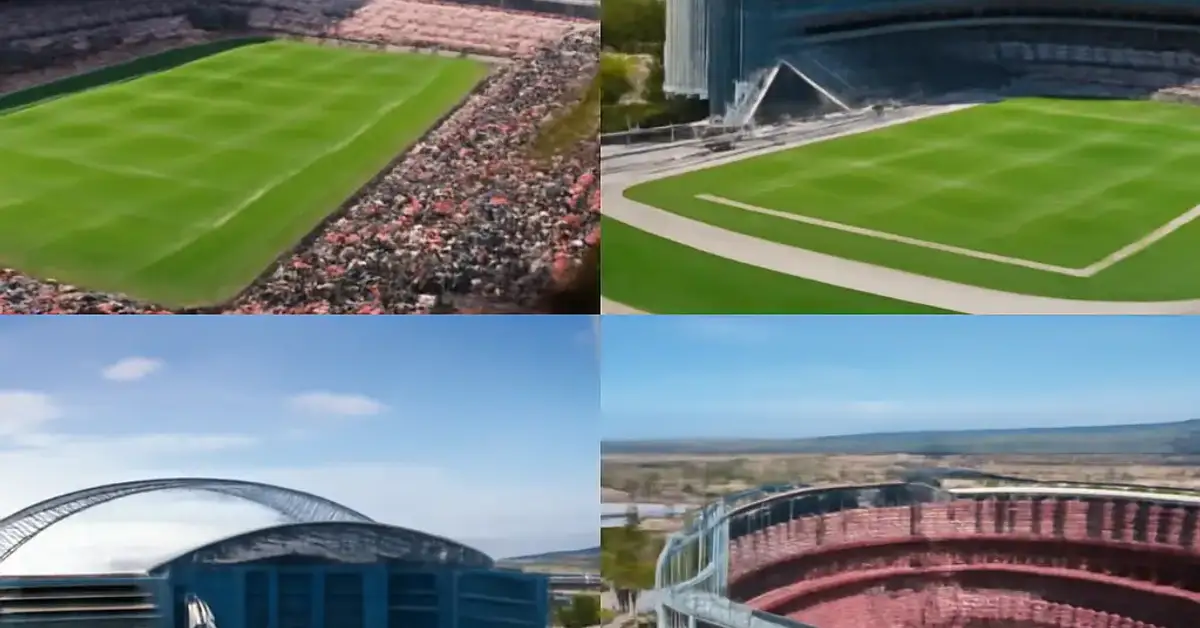
Why the 2026 World Cup Host Cities Matter for Travelers and Fans
Choosing where to watch matches is about more than just the stadium. Each 2026 World Cup host city offers its own culture, transit options, accommodation range, and nearby attractions. Understanding these differences can save you money, reduce travel stress, and make your tournament experience more memorable. Whether you are planning a multi-city road trip or picking one base camp, this guide breaks down every venue so you can plan with confidence. For a related guide, see 2026 World Cup Format: 48 Teams, 3 Host Countries Explained.
Complete List of 2026 World Cup Host Cities and Stadiums
The tournament will use 16 venues across three countries. Below is the full breakdown by nation, including capacity and key architectural features.
United States (11 Stadiums)
| Host City | Stadium | Capacity | Notable Feature |
|---|---|---|---|
| Atlanta | Mercedes-Benz Stadium | 71,000 | Retractable roof, 360-degree halo board |
| Boston | Gillette Stadium | 65,000 | Open-air with large video boards |
| Dallas | AT and T Stadium | 92,000 | Massive retractable roof, enormous video screen |
| Houston | NRG Stadium | 72,000 | Retractable roof, air-conditioned |
| Kansas City | Arrowhead Stadium | 76,000 | Legendary NFL atmosphere, open-air |
| Los Angeles | SoFi Stadium | 70,000 (expandable to 100,000) | Indoor-outdoor design, 360-degree video board |
| Miami | Hard Rock Stadium | 65,000 | Open-air with canopy, tropical location |
| New York/New Jersey | MetLife Stadium | 82,500 | Largest U.S. stadium, near NYC transit |
| Philadelphia | Lincoln Financial Field | 69,000 | Open-air, historic fan base |
| San Francisco Bay Area | Levi’s Stadium | 68,500 | Tech-forward, solar-powered |
| Seattle | Lumen Field | 69,000 | Open-air with iconic crowd noise |
Canada (2 Stadiums)
| Host City | Stadium | Capacity | Notable Feature |
|---|---|---|---|
| Toronto | BMO Field | 45,000 (expandable for World Cup) | Open-air on Lake Ontario shoreline |
| Vancouver | BC Place | 54,500 | Retractable roof, city skyline views |
Mexico (3 Stadiums)
| Host City | Stadium | Capacity | Notable Feature |
|---|---|---|---|
| Mexico City | Estadio Azteca | 87,500 | Only stadium to host three World Cups |
| Guadalajara | Estadio Akron | 46,000 | Modern design, home of Chivas |
| Monterrey | Estadio BBVA | 51,000 | Eco-friendly, mountain backdrop |
Stadium-by-Stadium Breakdown: Capacity, Design, and Travel Tips
Each venue has its own personality. Here is a closer look at the most iconic and most surprising stadiums in the 2026 FIFA World Cup venues lineup. For a related guide, see FIFA World Cup 2026: Schedule and Match Guide for Singapore Fans.
Estadio Azteca (Mexico City) — A Living Legend
Estadio Azteca is the only stadium to host three World Cups (1970, 1986, 2026). It sits at 2,200 meters above sea level, which can affect player stamina. The atmosphere is electric, with passionate crowds that create a home-field advantage like no other. For fans, book hotels in Roma or Condesa neighborhoods for easy access via Metro Line 2.
SoFi Stadium (Los Angeles) — The Future of Stadiums
SoFi Stadium is the most expensive stadium ever built, with a translucent roof and a dual-sided 360-degree video board that hangs over the field. It is located in Inglewood, about 15 minutes from LAX. Traffic is intense, so plan to use the Metro K Line or ride-share drop-off zones. The stadium can expand to over 100,000 seats for the final, making it a strong candidate for the championship match.
MetLife Stadium (New York/New Jersey) — The Gateway to the Final
MetLife Stadium is the largest venue in the U.S. at 82,500 seats. It is located in East Rutherford, New Jersey, with direct train service from Penn Station (NYC) via NJ Transit. The open-air design means weather could be a factor in June and July. If you are traveling from Manhattan, budget at least 60 minutes for transit plus security lines.
BC Place (Vancouver) — Canada’s Crown Jewel
BC Place features a retractable roof and a stunning location near the waterfront. It hosted the 2015 Women’s World Cup final and the 2010 Winter Olympics opening ceremony. The stadium is walkable from downtown Vancouver hotels and SkyTrain stations. It is a smaller venue but offers excellent sightlines and a family-friendly atmosphere.
Travel Tips for Attending the 2026 World Cup
Navigating three host countries requires planning. Here are actionable tips to make your trip smoother.
Book Accommodation Early
Host cities will see huge demand. Hotels near stadiums sell out months in advance. Consider booking refundable rooms in suburban areas with good public transit. For example, staying in Santa Monica for SoFi games or in Secaucus for MetLife matches can save money without sacrificing convenience.
Understand Visa Requirements
U.S. ESTA, Canadian eTA, or Mexican FMM may be required depending on your nationality. Fans traveling between countries should check entry rules for each border. The U.S.-Canada land border typically requires a passport but no visa for many nationalities.
Plan for Weather
Northern cities like Seattle, Vancouver, and Toronto can be rainy in June, while Dallas, Houston, and Miami will be hot and humid. Bring layers and hydration packs. Most U.S. stadiums allow clear bags only, so check venue policies before packing.
Useful Resources
For official match schedules, ticket sales, and travel advisories, visit the FIFA World Cup homepage. For city-specific transit maps and hotel deals, check the official tourism board of each host city. Two essential links:
Frequently Asked Questions About 2026 World Cup host cities
How many 2026 World Cup host cities are there?
There are 16 host cities across three countries: 11 in the United States, 2 in Canada (Toronto and Vancouver), and 3 in Mexico (Mexico City, Guadalajara, Monterrey).
Which stadium will host the 2026 World Cup final?
FIFA has not officially announced the final venue yet, but MetLife Stadium (New York/New Jersey) and SoFi Stadium (Los Angeles) are the leading candidates due to their large capacities.
What is the largest 2026 World Cup stadium?
AT and T Stadium in Dallas has the highest capacity at 92,000 seats, followed by Estadio Azteca at 87,500.
What is the smallest 2026 World Cup stadium?
BMO Field in Toronto has the smallest base capacity at 45,000, but it will be expanded for the tournament. Estadio Akron in Guadalajara is also on the smaller side at 46,000.
Will all 16 host cities have matches?
Yes, all 16 venues will host matches. However, the distribution favors U.S. cities, which will host more group-stage and knockout games.
How can I buy tickets for the 2026 World Cup?
Tickets will be sold through FIFA’s official ticketing portal. Registration typically opens about a year before the tournament. Be cautious of resale sites that may overcharge.
Which host city has the best public transit?
New York/New Jersey (MetLife), Mexico City, and Toronto have extensive metro and rail systems. Vancouver and Seattle also have efficient light rail that connects directly to their stadiums.
Are any stadiums indoors or climate-controlled?
Yes. AT and T Stadium, Mercedes-Benz Stadium, NRG Stadium, SoFi Stadium, and BC Place have retractable roofs or climate control. SoFi’s translucent roof allows natural light while protecting from rain.
What is special about Estadio Azteca?
Estadio Azteca is the only stadium to host three World Cups (1970, 1986, 2026). It is also the highest-altitude venue at 2,200 meters, which can affect player performance.
Can I travel between host cities easily?
Yes, flights connect most host cities, especially between U.S. cities. Travel between countries may require crossing borders, so plan for extra time and document checks.
Which host city is cheapest for accommodation?
Kansas City, Guadalajara, and Monterrey tend to have lower hotel rates compared to New York, Los Angeles, or Toronto. Book early for the best deals.
Will there be fan zones in each host city?
Yes, each host city will have official FIFA Fan Fest zones with live screenings, food, and entertainment. Locations are announced closer to the tournament.
Which stadiums have hosted previous World Cup games?
Estadio Azteca hosted matches in 1970 and 1986. The Rose Bowl (not in 2026) hosted 1994 final. Many 2026 venues like MetLife and SoFi are first-time World Cup hosts.
Is parking available at most stadiums?
Most stadiums have parking, but it is expensive and fills quickly. Public transit is recommended, especially for SoFi, MetLife, and BC Place.
Which city has the best food scene near the stadium?
Mexico City, Los Angeles, and Houston are known for incredible food. Mexico City’s street tacos near Azteca, LA’s food trucks around SoFi, and Houston’s Tex-Mex near NRG are fan favorites.
How far in advance should I book flights?
Book flights 8–12 months before the tournament for best prices. Consider flying into a larger hub like Dallas, LAX, or Newark and then connecting to smaller cities.
Will any matches be played at high altitude?
Estadio Azteca in Mexico City sits at 2,200 meters. Some players may need acclimatization. No other 2026 venues are at significant altitude.
What is the best way to see multiple host cities?
Consider flying between regions. A route like Vancouver → Seattle → San Francisco → Los Angeles works well on the West Coast, while Toronto → New York → Philadelphia is efficient in the East.
Are there any new stadiums built specifically for 2026?
No new stadiums were built from scratch for 2026. All venues are existing NFL, MLS, or Liga MX stadiums that have been upgraded to FIFA standards.
How do I stay updated on 2026 World Cup announcements?
Follow FIFA’s official website and social media channels. Subscribe to email alerts for ticket sales, schedule releases, and host city events.